
Introduction:
Celtic religion, steeped in the rich tapestry of ancient traditions and beliefs, has long captivated the hearts and minds of historians, archaeologists, and modern spiritual seekers alike. Originating from the Celtic-speaking peoples of Iron Age Europe, this complex and enigmatic religious system played a fundamental role in shaping the culture and worldview of the ancient Celts. Despite the passage of time and the eventual spread of Christianity, echoes of their beliefs persist in various forms today. This article delves into the fascinating world of Celtic religion, shedding light on its core principles, deities, rituals, and the enduring legacy it has left on contemporary spirituality.
I. The Core Tenets Of Celtic Religion:
- The Concept of Nature-Based Spirituality: At the heart of Celtic religion lies a profound reverence for nature. The ancient Celts believed that every element of the natural world possessed a spiritual essence, and they sought harmony with the land, water, and sky. Nature served as their teacher, guiding their spiritual practices and influencing their understanding of the divine.
- Ancestral Reverence and Communal Bonds: The Celts valued their ancestors, considering them an integral part of their lives even after death. Ancestral spirits were venerated, and familial bonds played a significant role in their religious observances. Communal gatherings and feasts served as occasions for reinforcing social cohesion and spiritual interconnectedness.
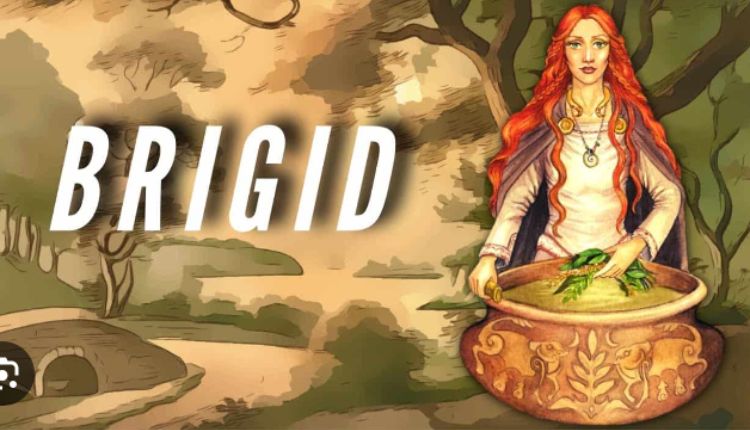
- Polytheistic Pantheon and Deities: Celtic religion encompassed a diverse pantheon of gods and goddesses, each embodying various aspects of life and nature. Deities like Lugh, Brigid, and Cernunnos held immense significance in Celtic mythology, and their stories intertwined with the lives of the people they watched over.
II. Rituals And Ceremonies:
- Seasonal Celebrations: The Celtic religious calendar was deeply rooted in the changing seasons. Imbolc, Beltane, Lughnasadh, and Samhain were pivotal festivals, marking significant agricultural and cosmic events. These celebrations were accompanied by bonfires, feasting, dancing, and rituals to honor deities and ensure a prosperous future.
- Sacred Sites and Ritual Spaces: The Celts revered specific natural landmarks, such as hills, lakes, and springs, as gateways to the Otherworld, a realm of spirits and magic. These sacred sites served as locations for rituals, where priests and druids conducted ceremonies to seek divine guidance, healing, and protection.
III. The Legacy Of Celtic Religion:
- Influence on Modern Spirituality: Despite the eventual decline of Celtic religion due to external forces and the spread of Christianity, its essence has left an indelible mark on contemporary spiritual practices. Many modern pagans and neo-pagans draw inspiration from Celtic traditions, integrating elements like nature worship, seasonal festivals, and reverence for ancestors into their spiritual pursuits.
- Preservation in Folklore and Mythology: Celtic mythology, with its captivating tales of heroic deeds, magical creatures, and divine interventions, continues to thrive in various forms of literature and media. From novels to movies, these stories keep the spirit of Celtic religion alive and allow it to resonate with new generations.
Conclusion:
Celtic religion, with its deep connection to nature, ancestral reverence, and polytheistic beliefs, represents a rich tapestry of spiritual wisdom that still weaves its magic in the modern world. Despite the passage of centuries and the transformation of societies, the legacy of the ancient Celts endures through folklore, mythology, and the spiritual practices of those who seek to revive the old ways. By exploring and appreciating the depth and beauty of Celtic religion, we gain a deeper understanding of our collective human heritage and the intrinsic bond we share with the natural world.
FAQs:
Q1: Are there any surviving temples or places of worship dedicated to Celtic deities today? A1: While specific temples or places of worship dedicated solely to Celtic deities are scarce, there are modern pagan groups and individuals who create sacred spaces or shrines to honor these ancient gods and goddesses. These spaces can be found in various locations worldwide and are often associated with natural landmarks, groves, or specific ritual sites.
Q2: How did Celtic religion influence the development of modern-day Ireland and other Celtic regions? A2: Celtic religion profoundly impacted the cultural and societal development of regions where the Celtic-speaking peoples resided, including Ireland, Scotland, Wales, Brittany, and parts of England. The ancient rituals and traditions became woven into the fabric of everyday life, influencing governance, art, social structure, and agricultural practices. Many elements of Celtic religion also found their way into early Christian practices, contributing to the unique blend of Celtic Christianity found in these regions.