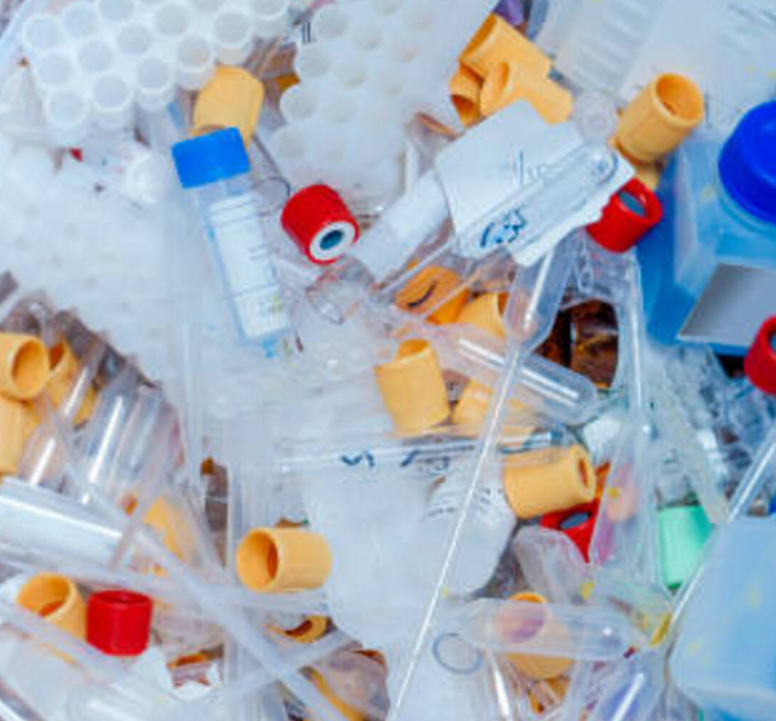

Medical waste is generated daily by hospitals, clinics, dental offices, research laboratories, and healthcare centers. While healthcare facilities are essential for saving lives and improving public health, they also produce hazardous waste that requires careful management. Medical waste includes used needles, contaminated gloves, expired medicines, blood samples, and chemical substances.
The rapid growth of healthcare services and population increases have contributed to rising amounts of medical waste worldwide. During global health emergencies such as pandemics, waste production can rise dramatically. Managing this waste responsibly is necessary to prevent environmental pollution and protect public health.
Understanding Medical Waste
Medical waste is different from regular household waste because it often contains infectious or hazardous materials. Proper identification and classification are important for safe handling. 1st Choice MedWaste provides medical waste disposal Roanoke.
Infectious Materials
Items contaminated with blood, body fluids, or harmful microorganisms are considered infectious waste. Examples include surgical dressings and laboratory cultures.
Hazardous Chemicals
Healthcare facilities use disinfectants, cleaning agents, and laboratory chemicals that may be toxic if released into the environment.
Sharps and Disposable Equipment
Needles, scalpels, syringes, and broken medical tools are classified as sharps. These materials can cause injuries and spread infections.
Pharmaceutical Products
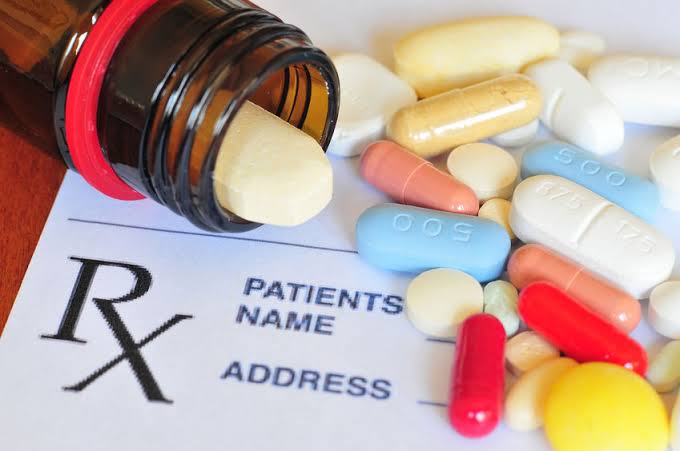
Unused medicines and expired drugs require safe disposal to avoid contamination of water systems and soil.
Causes of Increasing Medical Waste
Several factors contribute to the rise of medical waste around the world.
Population Growth
As populations increase, the demand for healthcare services also grows. More patients lead to greater use of medical supplies and equipment.
Technological Advancements
Modern healthcare relies heavily on disposable products to maintain hygiene and reduce infection risks. Although effective, these products create significant amounts of waste.
Global Health Crises
Pandemics and disease outbreaks generate massive quantities of protective equipment such as masks, gloves, and testing materials. This sudden increase places pressure on waste management systems.
Environmental Consequences
Improper disposal of medical waste can create severe environmental problems. Open dumping and uncontrolled burning are still practiced in some areas, releasing toxic chemicals into the air.
Plastic waste from hospitals often ends up in oceans and rivers, harming marine life and ecosystems. Hazardous chemicals may leak into groundwater and agricultural land, affecting food safety and biodiversity.
Air pollution from burning medical waste can contribute to respiratory illnesses and climate change. Toxic emissions such as dioxins and furans are particularly dangerous for both humans and animals.
Public Health Concerns
Medical waste is a major public health concern when not managed correctly. Waste handlers and healthcare workers are at high risk of injuries from contaminated sharps. Exposure to infected waste can spread diseases including hepatitis and HIV.
Communities living near poorly managed disposal sites may also face health risks. Children are especially vulnerable because they may unknowingly come into contact with hazardous materials.
Contaminated water caused by pharmaceutical and chemical waste can lead to long-term health problems. Safe disposal methods are therefore essential to protect society.
Sustainable Solutions for Medical Waste
Many countries are now adopting sustainable approaches to reduce medical waste and improve environmental safety.
Waste Reduction Strategies
Healthcare facilities can minimize waste by purchasing eco-friendly products and reducing unnecessary packaging.
Recycling Programs
Certain types of plastics, paper, and glass used in healthcare can be recycled safely. Recycling helps reduce landfill waste and conserves natural resources.
Advanced Treatment Methods
Modern technologies such as autoclaving, microwave treatment, and plasma gasification are being used to treat hazardous waste more effectively and with less environmental impact.
Staff Training and Awareness
Healthcare workers should receive regular training on proper waste segregation and disposal procedures. Public awareness campaigns can also encourage responsible behavior.
Role of Governments and Organizations
Governments must establish strict regulations and monitoring systems for medical waste management. Healthcare institutions should be required to follow safety standards and environmental guidelines.
International organizations such as the World Health Organization support countries by providing technical guidance and promoting sustainable healthcare practices.
Investment in waste treatment infrastructure is also necessary, especially in developing countries where resources may be limited.
Conclusion
Medical waste management is essential for protecting public health and preserving the environment. The growing amount of hazardous healthcare waste requires immediate attention from governments, healthcare facilities, and communities.
By improving waste segregation, adopting sustainable technologies, and increasing awareness, societies can reduce the harmful effects of medical waste. A cleaner and safer future depends on responsible healthcare practices and strong environmental protection efforts.