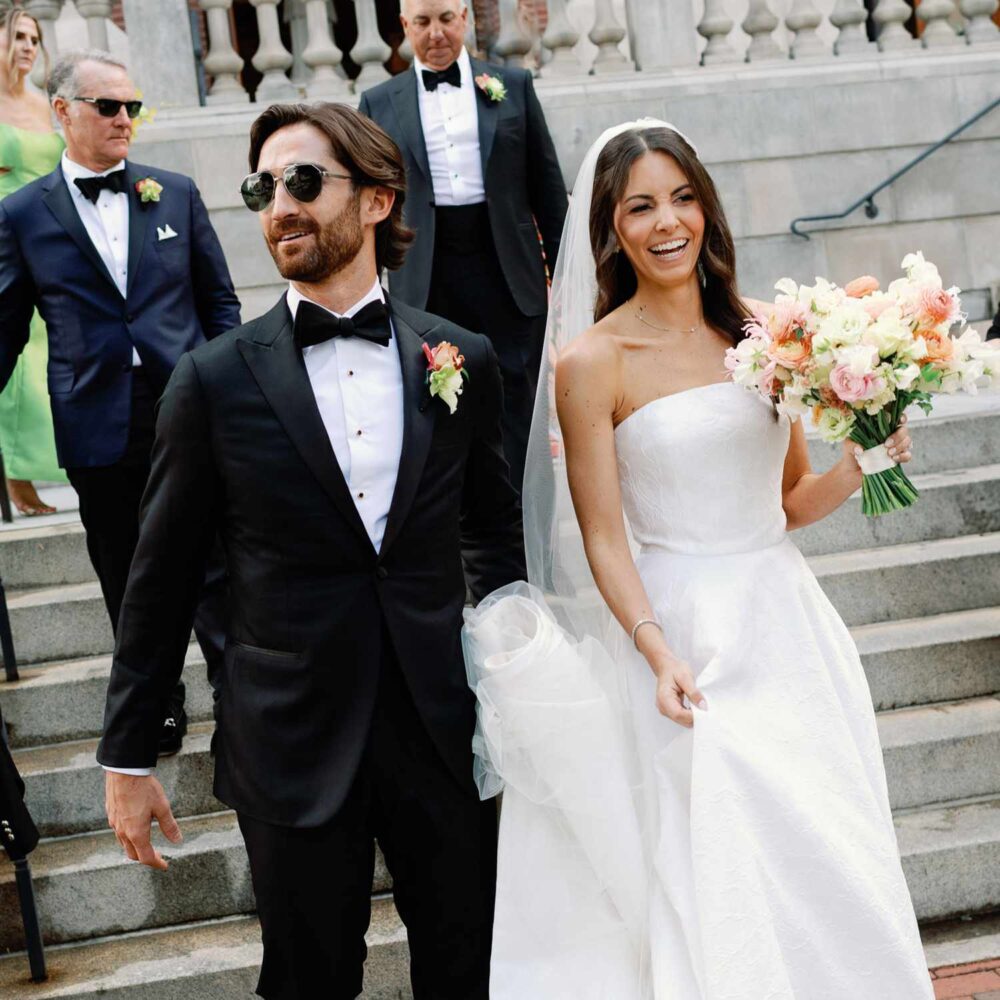

A wedding day is a whirlwind of fleeting moments. It’s the nervous laughter before the ceremony, the way a grandparent looks at the bride, the brief squeeze of hands under the dinner table. Wedding photography is the art of immortalizing these ephemeral seconds. While the cake will be eaten, the flowers will wilt, and the music will fade, the photographs remain as the tangible legacy of a profoundly emotional day. It is a discipline that requires not just technical mastery, but an intuitive understanding of human connection. The best wedding photographers don’t just take pictures; they author a visual heirloom. Looking for a wedding photographer Rhode Island call Stacy Smith Photography.
More Than Just a Camera
To the uninitiated, a wedding photographer is simply someone with an expensive camera who points and shoots. The reality is far more complex. On any given wedding day, the photographer seamlessly transitions between the roles of a photojournalist, a portrait artist, a stage director, and often, an impromptu therapist. They must command a room of fifty boisterous family members for group portraits while maintaining a calming presence for a stressed-out couple.
A critical element of this role is building a relationship with the couple long before the first shutter clicks. This connection is what allows subjects to drop their guard. When a couple feels comfortable, their genuine personalities shine through, replacing stiff, unnatural poses with authentic expressions of love. The photographer’s empathy and communication skills are just as vital as their choice of lens. They must read the room, anticipate where the emotional peaks will occur, and position themselves perfectly to catch a tear falling or a burst of uproarious laughter.
Furthermore, as weddings celebrate diverse backgrounds, photographers must be adaptable to a multitude of cultural and religious traditions. From understanding the timing of a Jewish glass-breaking to anticipating the vibrant celebrations of a traditional Indian wedding, or knowing the precise moments to capture during a tea ceremony, cultural fluency is paramount. A photographer’s willingness to research and respect these traditions ensures that the most sacred moments are documented with the reverence they deserve.
The Technical Dance
Behind the artistry lies a demanding technical dance. Weddings do not offer the controlled environment of a studio. A photographer might move from the harsh, blazing midday sun of an outdoor ceremony directly into a dimly lit, cavernous reception hall. They must understand how to manipulate natural light, deploy off-camera flashes discreetly, and adjust exposure settings in fractions of a second.
There are no “do-overs” in wedding photography. You cannot ask a couple to walk down the aisle a second time because the camera focus was soft, nor can you recreate the exact surprise of a father seeing his daughter in her dress. This high-stakes environment requires a deep familiarity with gear. Most professionals carry dual camera bodies—often one equipped with a wide-angle lens for sweeping venue shots, and another with a prime telephoto lens for isolating intimate details from a distance. Some even incorporate film cameras to achieve a distinct, timeless aesthetic that forces a slower, more intentional framing of the subject.
The Balance of Posed and Candid
Modern wedding photography often walks a fine line between traditional portraiture and reportage. While couples increasingly desire candid, documentary-style coverage that captures the raw reality of the day, there remains a deep appreciation for the polished, editorial portrait.
The “golden hour”—the short window of time just before sunset—is the wedding photographer’s sanctuary. This is when the couple is usually stolen away from the reception for their portrait session. The light is soft, warm, and forgiving, creating a naturally romantic atmosphere. This session serves a dual purpose: it yields the striking, framable images that will adorn living room walls, and it provides the couple with a rare, quiet moment to simply be together amidst the chaos of their celebration.
Details and Delicacies
While the people are the heartbeat of the wedding, the details provide the setting of the story. Couples spend months, sometimes years, agonizing over the minutiae of their day: the specific shade of the bridesmaids’ dresses, the texture of the invitations, the floral arrangements, and, of course, the rings.
Photographing these details requires a completely different skill set, often involving macro lenses and deliberate styling. A beautifully composed shot of the wedding bands resting on the bride’s bouquet, or the intricate lacework of the gown hanging in a sunlit window, adds texture and depth to the final gallery. These images anchor the album, reminding the couple of the atmosphere and the aesthetic they worked so hard to curate.
The Editing Room and the Final Narrative
The work of a wedding photographer extends far beyond the day itself. For every hour spent shooting, several more are spent in the editing room. A typical wedding can yield thousands of raw images. The photographer must meticulously cull this collection, selecting only the strongest, most resonant frames to build a cohesive narrative.
Post-processing is where the photographer’s unique signature truly emerges. Whether they favor a bright, airy, and ethereal look, or a moody, cinematic, and rich color palette, the editing process brings consistency to photos taken across vastly different lighting conditions. This careful curation and color grading transform a folder of digital files into a polished, compelling story. It is a labor-intensive process that demands a discerning eye and immense patience, culminating in a gallery of hundreds of micro-decisions designed to elevate the visual impact.
The Legacy of the Album
Ultimately, the true value of wedding photography is realized not in the days following the event, but in the decades to come. As time passes, memories inevitably blur. The photographs become the anchor to that day, a visual time machine that can instantly transport a couple back to the moment they made their vows.
These images gain historical weight as they are passed down through generations. They show future children and grandchildren not just what their family looked like, but how they loved. A well-crafted wedding album is a foundational family document. It is a testament to the fact that on a specific day, surrounded by their favorite people in the world, two individuals promised to navigate life together. In a world of constant motion and fleeting digital media, the enduring permanence of beautifully captured wedding photography remains one of our most treasured art forms.