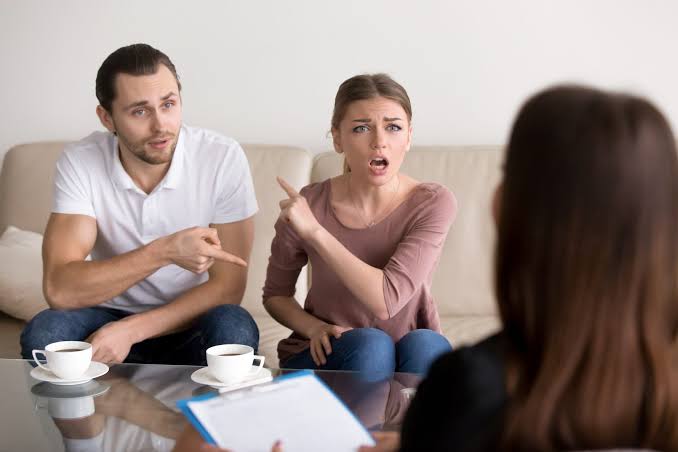

Every marriage experiences challenges at different stages. Differences in communication styles, financial responsibilities, family expectations, parenting decisions, and personal goals can sometimes create misunderstandings between partners. Marriage counseling provides a supportive environment where couples can discuss these concerns, improve communication, and explore practical ways to strengthen their relationship. Contact Cynthia Lissau, M.S., LPC, LMFT for Roanoke marriage counseling.
What Is Marriage Counseling?
Marriage counseling is a professional service that helps married couples understand relationship difficulties and work toward healthier interactions. A trained marriage and family therapist or appropriately qualified counselor guides conversations and helps partners identify recurring patterns.
Counseling does not automatically mean that a marriage is failing. Many couples seek professional guidance because they want to improve their relationship before disagreements become more serious.
Sessions may focus on communication, trust, emotional connection, conflict resolution, and shared responsibilities.
Common Reasons Couples Seek Counseling
Relationships can be affected by several personal and external circumstances.
Communication problems are among the most common concerns. Partners may struggle to express their feelings, listen to one another, or discuss difficult subjects without arguments.
Financial disagreements can also create tension, especially when couples have different spending habits, savings priorities, or financial expectations.
Other common reasons include parenting disagreements, lack of emotional intimacy, major life transitions, unresolved conflicts, and challenges involving extended family relationships.
Some couples also seek counseling after experiencing a significant breach of trust.
How Marriage Counseling Works
The counseling process usually begins with an initial assessment. The counselor learns about the couple’s relationship history, current concerns, and expectations.
During subsequent sessions, partners may discuss specific situations that contribute to conflict. The counselor helps identify communication patterns and encourages constructive conversations.
Couples may also receive practical exercises to complete between sessions. These activities can involve active listening, expressing appreciation, managing disagreements, or setting shared goals.
The process varies depending on the couple’s needs and the counselor’s professional approach.
Benefits of Professional Relationship Guidance
Marriage counseling can help partners develop better communication skills. Instead of reacting immediately during disagreements, couples can learn to express concerns more clearly and listen with greater understanding.
It may also help identify underlying relationship patterns. For example, repeated arguments about everyday responsibilities may reflect deeper concerns about fairness, appreciation, or expectations.
Counseling can encourage emotional awareness, mutual respect, and more constructive problem-solving.
Results depend on individual circumstances, participation, and the quality of the therapeutic relationship. Counseling cannot guarantee reconciliation or a particular outcome.
Choosing a Marriage Counselor
Selecting an appropriate counselor is an important decision. Couples should review professional qualifications, relevant experience, therapeutic approach, confidentiality policies, and session fees.
It is also important to choose someone who treats both partners fairly and creates an environment where difficult subjects can be discussed respectfully.
Some professionals offer in-person appointments, while others provide online counseling sessions.
When Should Couples Consider Counseling?
Couples do not need to wait until problems become overwhelming. Seeking guidance when communication begins deteriorating or disagreements become repetitive may provide an opportunity to address concerns earlier.
Professional support can also be useful during major life changes, including becoming parents, relocating, or adjusting to new responsibilities.
If a relationship involves abuse, threats, coercion, or immediate safety concerns, individual safety planning and specialized professional support should take priority over ordinary couples counseling.
Conclusion
Marriage counseling offers couples an opportunity to understand relationship challenges, improve communication, and develop healthier ways of handling disagreements. With professional guidance and a willingness to participate, partners can explore practical strategies for building a more respectful and supportive relationship.