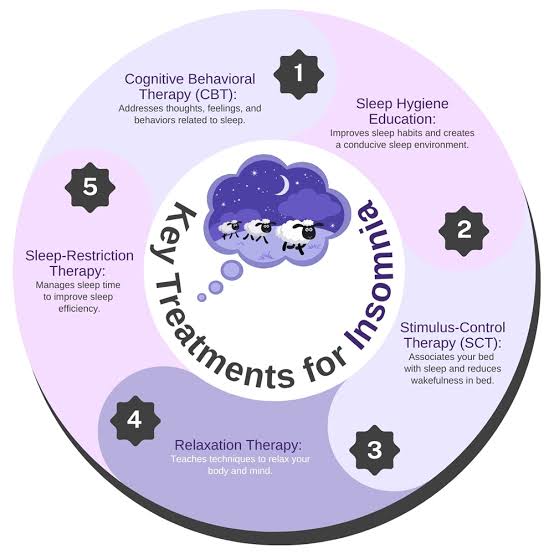

An insomnia therapist is a qualified professional who helps people understand and manage persistent sleep difficulties. Insomnia can involve more than simply sleeping too little. People may struggle to fall asleep, wake repeatedly during the night, wake too early, or experience poor-quality sleep despite having sufficient opportunity to rest.
Persistent sleep problems can affect many areas of life. Poor sleep may contribute to daytime tiredness, difficulty concentrating, irritability, reduced productivity, and emotional distress. When insomnia becomes a regular pattern, working with a qualified Insomnia Therapist Birmingham can help identify what is maintaining the problem and provide structured support.
What Does an Insomnia Therapist Do?
An insomnia therapist assesses sleep difficulties and develops an appropriate treatment approach. Their work may include examining:
- The person’s usual sleep and wake schedule
- How long sleep problems have been present
- Daily routines and lifestyle factors
- Thoughts and emotions associated with bedtime
- Daytime fatigue and functioning
- Napping patterns
- Stress and mental wellbeing
- Environmental or behavioural factors that may affect sleep
The assessment helps create a clearer picture of the problem. Insomnia is not identical for every person. One individual may struggle mainly with falling asleep, while another may wake repeatedly during the night.
For this reason, professional treatment is usually more helpful when it is tailored to the person’s specific sleep pattern.
The Role of CBT-I
Many professionals who work with insomnia use cognitive behavioural therapy for insomnia, commonly called CBT-I. This structured therapy focuses on the thoughts and behaviours that can maintain chronic sleep problems.
A person with insomnia may gradually develop a strong association between bedtime and worry. They may become anxious about whether they will sleep, repeatedly monitor the clock, or spend long periods awake in bed trying to force sleep.
An insomnia therapist can help identify these patterns and introduce practical changes. Therapy may involve cognitive strategies, behavioural exercises, sleep scheduling, relaxation methods, and education about sleep.
The exact treatment depends on the individual and should be guided by a qualified professional.
Why Work with an Insomnia Therapist?
Online sleep advice can be useful, but general recommendations do not always address persistent insomnia. An insomnia therapist provides a more personalised assessment and helps monitor progress.
Professional support can be particularly valuable because sleep difficulties may occur alongside other concerns. Stress, anxiety, depression, pain, shift work, certain medications, and other sleep disorders can influence sleep.
A qualified professional can recognise when additional medical assessment or specialist care may be necessary.
What to Expect in Your First Appointment
The first session often focuses on understanding your sleep difficulties. You may be asked about:
- Your typical bedtime and wake time
- How long it usually takes you to fall asleep
- How often you wake during the night
- Your daytime energy levels
- Your work or daily schedule
- Your mental and emotional wellbeing
- Previous attempts to improve sleep
You may also be asked to keep a sleep diary. This provides information about sleep patterns over time and helps guide treatment decisions.
The goal is not to judge your sleeping habits. It is to understand the cycle that may be contributing to insomnia.
How to Choose an Insomnia Therapist
When searching for an insomnia therapist, consider their professional qualifications, training, and experience with evidence-based insomnia treatment. You may also want to ask whether they provide CBT-I or another structured approach for sleep difficulties.
It is important to feel comfortable communicating with the therapist. Successful therapy often involves discussing habits, worries, routines, and challenges honestly.
If you have symptoms such as loud snoring, breathing pauses during sleep, unusual movements, severe daytime sleepiness, or other concerning symptoms, medical assessment may also be important.
The Importance of Consistency
Therapy for insomnia usually involves changes that need to be practised between sessions. Progress may take time, and sleep can vary from night to night.
An insomnia therapist can provide guidance, help adjust the treatment plan, and support the person when challenges occur. This structured approach may make it easier to maintain changes over time.
Final Thoughts
Persistent insomnia can feel exhausting and frustrating, but it does not always have to become a permanent part of life. An insomnia therapist can help identify the factors contributing to poor sleep and provide a structured path toward improvement.
By focusing on individual sleep patterns, habits, thoughts, and routines, professional therapy can help people develop a healthier relationship with sleep and work toward more consistent, restorative rest.