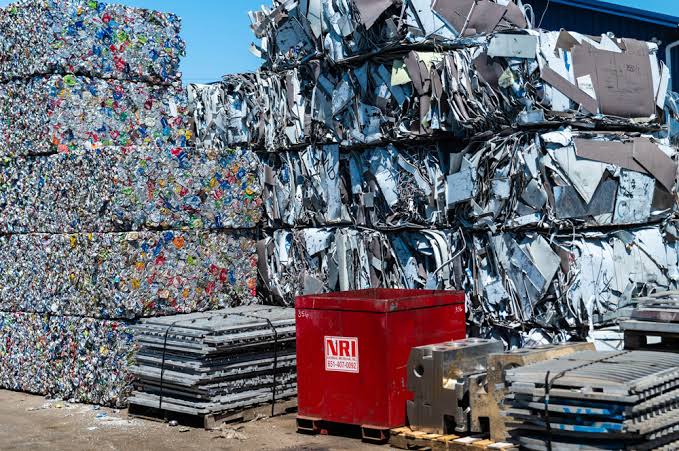

Metal recycling is one of the most important practices in modern waste management and environmental sustainability. Metals are used everywhere in daily life, from cars, buildings, appliances, and machinery to food containers, electronics, and packaging. Because metals are valuable and can often be recycled repeatedly without losing many of their essential properties, recycling them helps conserve natural resources, reduce waste, save energy, and support the global economy. For Central VA metal recyling call BRC Co, Inc..
As industries continue to grow and the demand for raw materials increases, metal recycling has become an essential part of building a more sustainable future. Instead of sending used metal products to landfills, recycling allows these materials to be collected, processed, and transformed into new products.
What Is Metal Recycling?
Metal recycling is the process of recovering metal from used products, manufacturing waste, construction materials, vehicles, and other discarded items. The collected metal is sorted, processed, melted, purified, and reused to manufacture new products.
Unlike many other materials, metals can often be recycled multiple times. For example, an old aluminum can may eventually become part of another can, vehicle component, construction material, or consumer product.
The main purpose of metal recycling is to reduce the need for extracting new raw materials from the earth. Mining requires significant amounts of land, energy, water, and equipment. By recovering and reusing existing metal, industries can reduce their dependence on newly mined resources.
Common Types of Recycled Metals
Metals are generally divided into two main categories: ferrous and non-ferrous metals.
Ferrous Metals
Ferrous metals contain iron and are commonly used in construction, transportation, and manufacturing. Examples include:
- Steel
- Cast iron
- Wrought iron
Steel is one of the most widely recycled materials in the world. Old vehicles, appliances, construction materials, machinery, and industrial equipment can all provide recyclable steel and iron.
Non-Ferrous Metals
Non-ferrous metals generally do not contain significant amounts of iron. These metals are often valuable and are commonly recycled because of their useful properties.
Examples include:
- Aluminum
- Copper
- Brass
- Zinc
- Lead
- Nickel
Aluminum is especially popular in recycling programs because it is lightweight, durable, and widely used in beverage cans, packaging, transportation, and construction. Copper is also highly valuable and is commonly recovered from electrical wiring, plumbing systems, and electronic equipment.
The Metal Recycling Process
Metal recycling involves several important stages. Although the exact process may vary depending on the type of metal and recycling facility, the general steps are similar.
1. Collection
The first step is collecting recyclable metal. Metal can come from households, businesses, factories, construction sites, demolished buildings, old vehicles, and electronic waste.
Recycling companies, scrap yards, municipalities, and waste management services play an important role in collecting these materials.
2. Sorting
After collection, the metal must be separated according to its type. Ferrous metals can often be separated using powerful magnets because they contain iron. Other metals require additional sorting methods.
Proper sorting is important because different metals have different melting points, values, and recycling processes.
3. Processing and Shredding
Large metal objects may be cut, crushed, or shredded into smaller pieces. This makes the materials easier to transport and process.
Shredding also increases the surface area of the metal, helping improve the efficiency of later processing stages.
4. Melting
The sorted metal is melted in specialized furnaces. Different types of metal require different temperatures and equipment.
Recycling metal generally requires fewer resources than producing new metal from raw ore. The melted material can then be prepared for reuse.
5. Purification
The recycled metal may go through purification processes to remove unwanted materials or contaminants. Depending on the metal, different technologies can be used to improve the quality of the final material.
6. Solidification and Manufacturing
Finally, the purified metal is cooled and formed into sheets, bars, blocks, or other shapes. These recycled materials are then supplied to manufacturers and used to create new products.
Environmental Benefits of Metal Recycling
One of the biggest advantages of metal recycling is its positive impact on the environment.
Conserving Natural Resources
Mining is necessary to obtain virgin metals, but natural resources are limited. Extracting minerals from the earth can require large areas of land and significant infrastructure.
By recycling old metal products, industries can recover valuable materials that already exist within the economy. This helps reduce pressure on natural resources.
Reducing Energy Consumption
Producing metals from recycled materials can require significantly less energy than producing them from newly extracted ore, depending on the metal and recycling process.
Energy savings are particularly important in industries that consume large amounts of electricity and fuel. Reducing energy demand can also help lower the environmental impact associated with energy production.
Reducing Landfill Waste
Metal products can take up valuable space in landfills. Many discarded appliances, vehicles, construction materials, and consumer products contain recyclable metals.
Recovering these materials prevents valuable resources from being wasted and helps reduce the overall volume of landfill waste.
Lowering Environmental Pollution
Mining and processing raw materials can affect land, water, and air. Recycling helps reduce the demand for some new extraction and can support efforts to lower the environmental impact of industrial production.
Economic Importance of Metal Recycling
Metal recycling is not only beneficial for the environment. It also plays an important role in the economy.
The recycling industry creates employment opportunities in collection, transportation, sorting, processing, manufacturing, and waste management. Scrap metal also has financial value, creating opportunities for businesses and individuals to earn income from materials that might otherwise be discarded.
Manufacturers can also benefit from a reliable supply of recycled materials. Recovered metals can become part of a circular supply chain in which materials remain useful for longer instead of being used once and thrown away.
This concept is known as the circular economy. In a circular economy, products and materials are reused, repaired, recovered, and recycled whenever possible. Metal recycling is an excellent example because many metals can return to the manufacturing system repeatedly.
Metal Recycling in Everyday Life
Individuals can contribute to metal recycling in many simple ways. Common household items that may contain recyclable metal include:
- Beverage cans
- Food cans
- Old bicycles
- Appliances
- Metal furniture
- Tools
- Pots and pans
- Electrical wires
- Electronic devices
Before throwing away an old item, it is worth checking whether it can be reused, donated, repaired, or recycled. Local recycling facilities and scrap metal collectors may accept materials that cannot be placed in standard household recycling bins.
Electronic waste deserves special attention because computers, mobile phones, cables, and other devices can contain valuable metals. Proper recycling can help recover useful materials while reducing unnecessary waste.
Challenges in Metal Recycling
Although metal recycling offers many benefits, the industry also faces challenges. One major issue is contamination. When different materials are mixed together, recycling can become more difficult and expensive.
Another challenge is public awareness. Many people still throw recyclable metal products into general waste because they do not know where or how to recycle them.
Collection infrastructure can also vary between regions. Some communities have convenient recycling programs, while others have limited access to recycling facilities.
Technology and investment are important for improving the recycling industry. Advanced sorting systems, efficient processing equipment, and better collection networks can increase recovery rates and improve the quality of recycled materials.
The Future of Metal Recycling
The future of metal recycling is closely connected to sustainability, technology, and the growing demand for resources. As populations and industries expand, the need for metals in construction, transportation, renewable energy, electronics, and infrastructure will continue.
Improved recycling technologies can help recover a greater amount of material from complex products. Automation, advanced sensors, and modern sorting systems may also make recycling more efficient.
Businesses are increasingly recognizing the importance of using recycled materials and reducing waste. Governments and communities are also developing programs that encourage recycling and responsible resource management.
The transition toward a circular economy will likely make metal recycling even more important in the coming years.
Conclusion
Metal recycling is a powerful solution for conserving resources, reducing waste, saving energy, and supporting economic growth. From aluminum cans and copper wires to steel vehicles and construction materials, used metals can often be transformed into valuable resources instead of becoming landfill waste.
The recycling process involves collection, sorting, processing, melting, purification, and manufacturing. Each stage helps recover materials and return them to the production cycle.
As environmental challenges and resource demands continue to increase, responsible metal recycling will play an essential role in creating a cleaner and more sustainable future. Governments, businesses, recycling companies, and individuals all have a part to play. By choosing to recycle metal whenever possible, we can reduce waste, conserve valuable resources, and help build a stronger circular economy for future generations.