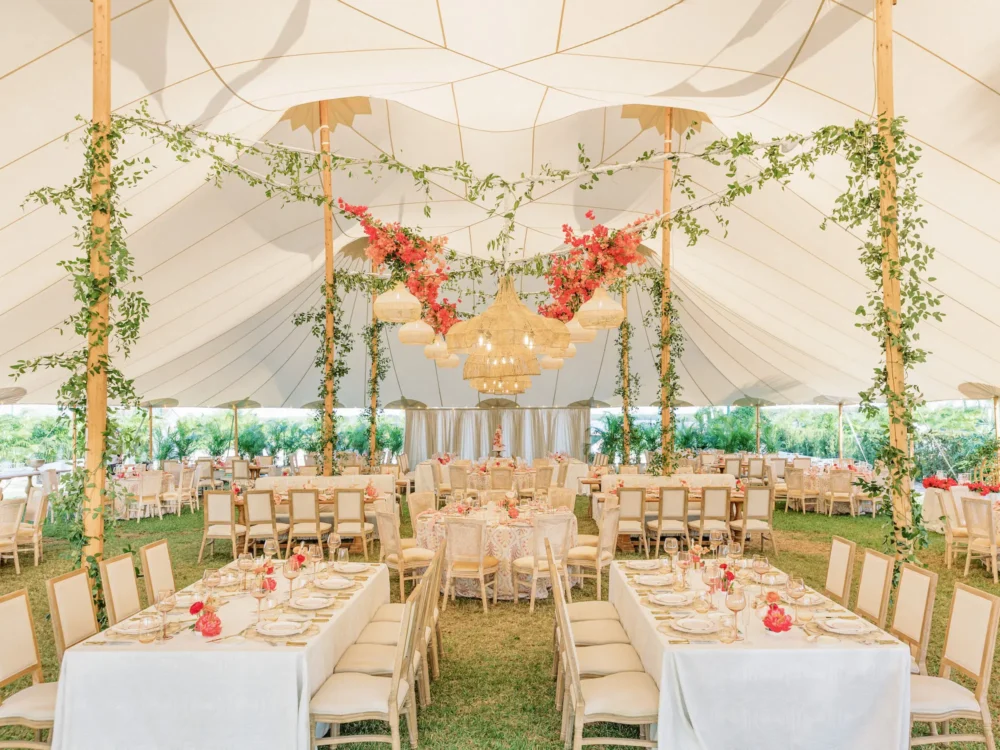

A wedding venue is more than a backdrop for photographs. It is the physical setting where guests gather, ceremonies take place, meals are served, and celebrations unfold.
The layout, facilities, accessibility, and atmosphere of a venue can influence how smoothly the event runs and how comfortable guests feel throughout the celebration. Looking for outdoor wedding venues Virginia call Sierra Vista.
For couples planning a wedding, considering the guest experience alongside visual style can help create a practical and welcoming event.
Why the Wedding Venue Matters
The venue affects several important wedding arrangements, including guest capacity, seating, catering, entertainment, photography, and transportation.
A suitable venue provides enough space for the planned activities while supporting the couple’s preferred style.
For example, an outdoor garden may suit a nature-inspired ceremony, while a hotel ballroom may accommodate a formal reception with dining and entertainment.
Understanding Venue Layouts
Before booking, review the venue’s floor plan and identify how different areas will be used.
Consider the location of:
-
Ceremony seating.
-
Reception tables.
-
Dance floor.
-
Stage or entertainment area.
-
Catering and service access.
-
Restrooms.
-
Guest entrance and exit.
-
Photography locations.
-
Accessible routes.
A venue’s maximum capacity may differ from its comfortable capacity once tables, decorations, and entertainment equipment are included.
Accessibility and Guest Comfort
Wedding guests may include older adults, children, people with mobility limitations, and visitors unfamiliar with the location.
Consider step-free access, suitable restroom facilities, seating availability, parking, lighting, and clear signage.
For outdoor venues, assess walking surfaces, shade, weather exposure, and access to indoor facilities.
Guest comfort can also depend on ventilation, heating or cooling, acoustics, and the distance between event areas.
Catering and Food Arrangements
Food service is an important part of many wedding receptions.
Some venues provide in-house catering, while others allow couples to hire external caterers.
Confirm menu options, tasting arrangements, dietary accommodations, service schedules, kitchen access, and additional charges.
If outside catering is permitted, ask about vendor requirements, setup times, cleanup responsibilities, and equipment availability.
Decoration and Photography
A venue’s existing architecture, lighting, and interior design can influence decoration requirements.
Before planning installations, confirm restrictions involving candles, hanging decorations, confetti, floral arrangements, and temporary structures.
Ask whether the venue has preferred photography areas and whether photographers can access the property before the ceremony.
Indoor and Outdoor Wedding Planning
Outdoor weddings provide opportunities for natural scenery and open-air celebrations, but they require contingency planning.
Ask about covered spaces, indoor alternatives, weather-related cancellation policies, and arrangements for heat, rain, or strong winds.
Indoor venues may provide greater control over environmental conditions, although room capacity, lighting, and ventilation still require attention.
Venue Coordination on the Wedding Day
Some wedding venues provide an event coordinator who manages venue-related logistics.
This person may oversee room setup, vendor access, facility arrangements, and venue schedules.
However, venue coordination is not always the same as full wedding planning. Confirm exactly which responsibilities are included.
Conclusion
A wedding venue should support both the visual atmosphere and practical needs of the celebration.
By reviewing layout, accessibility, catering, decoration policies, weather arrangements, and coordination services, couples can create a more comfortable experience for guests while keeping the event organized.