
Decorative concrete has become one of the most popular choices for homeowners and commercial property owners who want a combination of durability, functionality, and visual appeal. Unlike traditional gray concrete, decorative concrete can be customized with colors, textures, patterns, and finishes that transform ordinary surfaces into attractive design features. For Lynchburg stamped concrete contact Premier Concrete.
From driveways and patios to pool decks, walkways, interior floors, and commercial spaces, decorative concrete offers a versatile solution for improving the appearance and long-term value of a property.
What Is Decorative Concrete?
Decorative concrete is concrete that has been enhanced using specialized techniques to improve its appearance. These techniques may include:
- Stamped concrete
- Concrete staining
- Concrete overlays
- Polished concrete
- Colored concrete
- Exposed aggregate
- Engraved concrete
- Decorative coatings and finishes
The goal is to create a surface that is both strong and visually attractive. Decorative concrete can be designed to resemble natural materials such as stone, brick, slate, tile, wood, or marble, often at a lower cost than installing those materials individually.
Because concrete is highly durable and customizable, decorative concrete has become a practical choice for both indoor and outdoor construction projects.
Popular Types of Decorative Concrete
1. Stamped Concrete
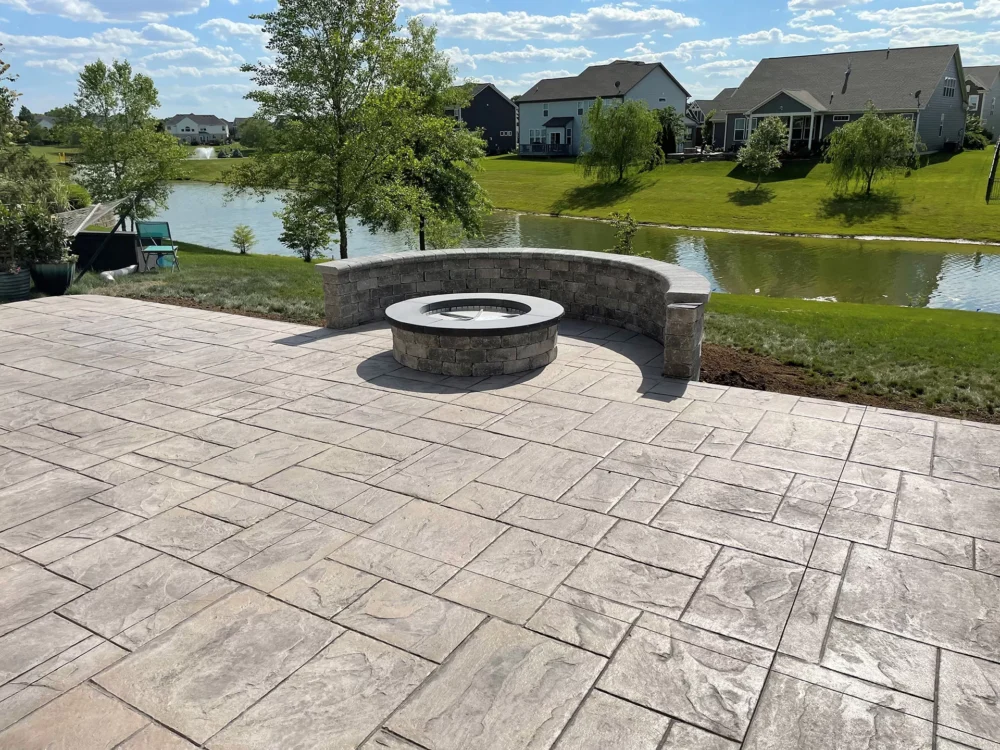
Stamped concrete is one of the most widely used decorative concrete options. While the concrete is still workable, contractors press specially designed stamps into the surface to create patterns and textures.
Stamped concrete can imitate:
- Natural stone
- Brick
- Cobblestone
- Slate
- Wood planks
- Tile
This makes it an excellent choice for patios, driveways, walkways, and pool decks. Homeowners can select from a wide variety of patterns and colors to match the architectural style of their property.
2. Stained Concrete
Concrete staining adds rich, long-lasting color to an existing or newly installed concrete surface. Stains can create subtle variations and unique patterns that give the floor a natural and artistic appearance.
Decorative concrete stains are commonly used in:
- Living rooms
- Basements
- Retail stores
- Restaurants
- Showrooms
- Offices
Stained concrete is especially popular for interior flooring because it can create a modern, elegant, or industrial appearance.
3. Polished Concrete
Polished concrete is created by mechanically grinding and polishing the concrete surface until it develops a smooth and reflective finish. The level of shine can vary depending on the desired look.
Polished decorative concrete is commonly used in commercial buildings because it offers:
- High durability
- Easy maintenance
- Modern appearance
- Long service life
- Improved light reflection
It is also becoming increasingly popular in modern homes, especially for kitchens, living spaces, and open-concept interiors.
4. Exposed Aggregate Concrete
Exposed aggregate concrete reveals decorative materials within the concrete, such as small stones, gravel, or other aggregates. The top layer of cement is removed or treated to expose these materials.
This type of decorative concrete provides a textured and visually interesting surface. It is often used for:
- Driveways
- Sidewalks
- Patios
- Garden paths
- Pool surrounds
The textured surface can also provide better traction in certain outdoor environments.
5. Concrete Overlays
A concrete overlay is a thin layer of specially formulated material applied over an existing concrete surface. Overlays can help refresh damaged or outdated concrete without completely removing and replacing the original slab.
Decorative overlays can be stamped, textured, colored, or polished. They are an effective option for property owners who want to improve the appearance of existing concrete surfaces.
Benefits of Decorative Concrete
Decorative concrete provides more than visual appeal. It also offers several practical advantages.
Durability and Strength
Concrete is known for its ability to withstand heavy use and challenging weather conditions. When properly installed and maintained, decorative concrete can last for many years.
This makes it suitable for high-traffic areas such as driveways, sidewalks, patios, and commercial floors.
Custom Design Options
One of the biggest advantages of decorative concrete is customization. Property owners can choose from numerous:
- Colors
- Patterns
- Textures
- Finishes
- Designs
Whether you prefer a rustic stone appearance, a modern polished floor, or a traditional brick pattern, decorative concrete can be adapted to suit your design goals.
Cost-Effective Alternative
Natural stone, brick, hardwood, and premium tile can be expensive to purchase and install. Decorative concrete can often replicate the appearance of these materials while offering a more cost-effective solution.
For example, stamped concrete can provide the visual effect of natural stone without requiring individual stones to be installed.
Low Maintenance
Most decorative concrete surfaces are relatively easy to maintain. Regular sweeping and occasional cleaning can help keep the surface looking attractive.
Depending on the finish and location, applying a protective sealer periodically can help protect against:
- Moisture
- Surface stains
- UV exposure
- Wear and tear
Proper maintenance can significantly extend the life and appearance of decorative concrete.
Best Applications for Decorative Concrete
Decorative concrete is highly versatile and can be used throughout residential and commercial properties.
Decorative Concrete Driveways
A decorative concrete driveway can improve curb appeal and create a strong first impression. Stamped, colored, or exposed aggregate finishes can transform a basic driveway into an attractive architectural feature.
Decorative Concrete Patios
Patios are among the most popular applications for decorative concrete. A stamped concrete patio can create the appearance of stone, brick, or tile while providing a durable outdoor surface.
Pool Decks
Decorative concrete can be used to create attractive pool decks with textured finishes. The right finish can improve the appearance of the outdoor area while providing a comfortable walking surface.
Walkways and Sidewalks
Decorative concrete walkways can connect different areas of a property while adding visual interest to landscaping and outdoor design.
Interior Floors
Polished and stained concrete floors are increasingly popular in modern homes and commercial spaces. They provide a clean, contemporary appearance and can complement many different interior design styles.
How to Choose the Right Decorative Concrete Contractor
The quality of decorative concrete depends heavily on proper installation. Choosing an experienced decorative concrete contractor is important for achieving a durable and attractive result.
When selecting a contractor, consider the following factors:
Experience
Look for a contractor with experience in the specific decorative concrete technique you want. Stamped concrete, polished concrete, and decorative overlays require different skills and equipment.
Portfolio
Ask to see examples of previous decorative concrete projects. A professional portfolio can help you evaluate the contractor’s quality, style, and attention to detail.
Materials and Techniques
Quality materials can make a significant difference in the appearance and durability of decorative concrete. Ask about the products, sealers, stains, and installation methods used.
Clear Project Estimates
A reliable contractor should provide a clear estimate that explains the scope of work, materials, and expected costs.
Maintaining Decorative Concrete
Proper maintenance helps decorative concrete remain attractive for years. While maintenance requirements vary depending on the finish, several general practices can help protect the surface.
Regularly remove dirt and debris to prevent surface buildup. Clean spills as soon as possible, particularly on decorative floors or stained surfaces.
Outdoor decorative concrete may benefit from periodic resealing. A high-quality sealer can help protect the surface from weather exposure, moisture, and everyday wear.
Avoid using harsh chemicals or inappropriate cleaning products, as they may damage certain decorative finishes. Always follow maintenance recommendations provided by the installer or product manufacturer.
Why Decorative Concrete Is a Smart Investment
Decorative concrete is an excellent investment for property owners who want to improve both appearance and functionality. It can enhance outdoor living spaces, modernize interior floors, and create a more attractive environment for customers, visitors, or guests.
In addition to visual benefits, high-quality decorative concrete can offer long-term durability and reduced maintenance requirements. A professionally designed concrete surface may also contribute to improved curb appeal and overall property value.
Conclusion
Decorative concrete offers an impressive combination of beauty, strength, versatility, and long-term performance. Whether you are upgrading a driveway, designing a new patio, renovating an interior floor, or improving a commercial property, there are many decorative concrete options available.
Stamped concrete, stained concrete, polished finishes, exposed aggregate, and decorative overlays each provide unique benefits and design possibilities. The best choice depends on your property’s needs, budget, location, and desired style.
By working with an experienced decorative concrete contractor and following proper maintenance practices, you can create a surface that remains functional and visually appealing for years. From elegant indoor flooring to durable outdoor patios and driveways, decorative concrete continues to be a practical and attractive solution for modern residential and commercial spaces.