
Drug rehab, or drug rehabilitation, refers to structured treatment designed to help people address problematic drug use and support long-term recovery. Rehabilitation programs can provide medical care, therapy, education, and recovery planning in different settings.
Understanding what drug rehab involves can make it easier for individuals and families to take the next step toward professional help.
What Is Drug Rehab?
Drug rehab is a treatment process that addresses the physical, emotional, and behavioral effects of substance use. Programs vary significantly, but they commonly focus on helping participants understand addiction, develop coping skills, and build a plan for continued recovery.
Rehab may take place in a residential facility, a hospital-based program, or an outpatient setting.
The First Step: Assessment
Most drug rehab programs begin with an assessment. A healthcare or addiction professional gathers information about substance use, medical history, mental health, withdrawal risk, and personal circumstances.
This process helps determine what type of treatment may be appropriate. Some individuals may need medical detoxification before beginning other forms of rehabilitation.
Medical Detox and Withdrawal Support
Detox is not the same as comprehensive rehabilitation. Detox focuses on managing withdrawal and the immediate physical effects of stopping or reducing substance use.
Withdrawal experiences differ by substance and individual. Some can be dangerous, so medical supervision may be necessary. Completing detox does not by itself address all the psychological and social factors associated with addiction, which is why continued treatment may be recommended.
Therapy in Drug Rehab
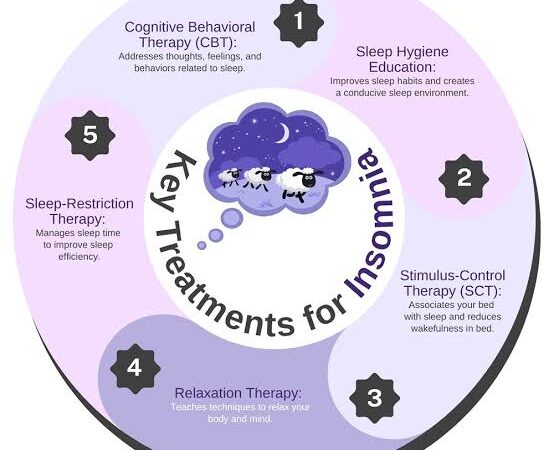
Therapy is an important component of many rehabilitation programs. Individual therapy may help participants explore the factors contributing to their substance use.
Group therapy can provide shared learning and peer support. Participants may discuss coping strategies, communication, stress, relapse prevention, and other recovery-related topics.
Family involvement may also be offered. Addiction can affect an entire household, and family support can help improve understanding and communication.
Residential Drug Rehab
Residential programs provide a structured environment where participants stay at the facility. Daily schedules may include therapy, education, recovery activities, and health-related services.
Residential care may be useful for people who require intensive support or who need temporary separation from environments strongly associated with substance use.
Outpatient Drug Rehab
Outpatient programs allow participants to live at home while attending treatment sessions. Depending on the program, services may be offered several times a week.
This option can help people maintain family or work responsibilities while receiving professional support. However, the home environment and individual level of risk should be considered when choosing outpatient care.
Preparing for Life After Rehab
A strong rehab program usually includes planning for the period after formal treatment. This may involve continued therapy, peer support, housing assistance, family support, or strategies for managing triggers.
Recovery often requires changes in daily routines. Avoiding high-risk environments, building supportive relationships, and developing healthy coping strategies may all play a role.
Choosing a Drug Rehab Program
When considering drug rehab, it is important to ask about the types of treatment offered, professional qualifications, medical services, therapy options, aftercare planning, and how the program evaluates individual needs.
Programs should avoid making unrealistic promises about guaranteed recovery. Addiction treatment is a personal and ongoing process, and outcomes can vary.
Frequently Asked Question: Does drug rehab guarantee recovery?
No reputable treatment program can guarantee a specific outcome. Drug rehab can provide important support, treatment, and recovery skills, but recovery depends on many individual factors and may require ongoing care.