
Wellness involves more than the absence of illness. It includes the everyday habits, relationships, routines, and choices that support physical, emotional, and social well-being. Developing sustainable wellness habits can help people build a healthier lifestyle without relying on extreme routines or unrealistic expectations. If you are looking for psychiatrists New Orleans call Parker Psychiatry.
A practical approach focuses on manageable changes that can be maintained over time.
Make Physical Activity Part of Your Routine
Regular movement supports general health and can improve energy, mobility, and physical fitness. Activities such as walking, cycling, swimming, dancing, and strength exercises can be adapted to different lifestyles and abilities.
People who are new to exercise may find it easier to begin with short sessions and gradually increase their activity.
Choosing activities that feel enjoyable can make it easier to maintain a consistent routine. Those with medical concerns or exercise limitations should seek appropriate professional guidance before making significant changes.
Develop Balanced Eating Habits
Nutrition plays an important role in everyday wellness. A balanced eating pattern can include vegetables, fruits, whole grains, protein sources, and appropriate amounts of healthy fats.
Meal planning may help people make practical food choices during busy weeks. Preparing simple meals at home can also make it easier to understand ingredients and portion sizes.
Individual nutritional needs vary according to age, activity, health conditions, and personal circumstances. A registered dietitian or qualified healthcare professional can provide tailored guidance when needed.
Prioritize Consistent Sleep
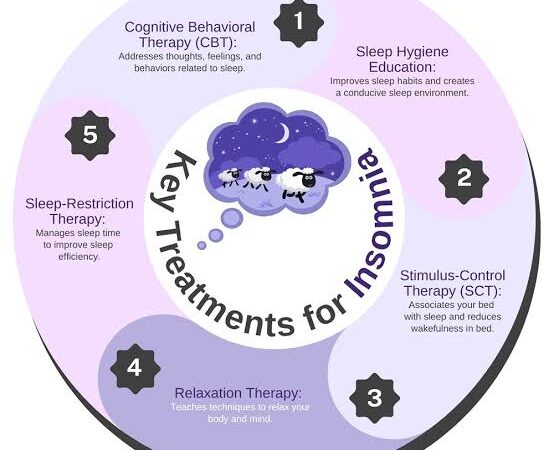
Sleep supports concentration, mood, and general physical functioning. Maintaining a regular sleep schedule may help people establish a more consistent routine.
Creating a comfortable sleeping environment, limiting stimulating activities before bedtime, and following a relaxing evening routine can support better sleep habits.
Persistent sleep difficulties may require discussion with a healthcare professional, particularly when they interfere with daily activities.
Support Emotional Well-Being
Emotional wellness includes recognizing feelings, managing everyday stress, and maintaining supportive relationships.
Activities such as journaling, spending time outdoors, practicing relaxation techniques, and connecting with trusted friends may help some people manage routine stress.
People experiencing persistent emotional distress can benefit from speaking with a qualified mental health professional.
Build Healthy Social Connections
Positive relationships can provide companionship, encouragement, and a sense of belonging.
Making time for family, friends, community activities, or shared hobbies can support social well-being. Even brief conversations and regular contact may help people maintain meaningful connections.
Make Wellness Goals Realistic
Unrealistic goals can make healthy routines difficult to maintain. Instead of changing everything at once, choose one or two manageable habits.
For example, someone might begin with a daily walk, a consistent bedtime, or preparing an extra balanced meal each week.
Tracking progress can help identify which habits fit naturally into daily life. Occasional setbacks are normal and do not mean that long-term progress is impossible.
Conclusion
Long-term wellness is built through practical habits that support movement, nutrition, sleep, emotional health, and social connection. By starting gradually, choosing realistic goals, and seeking professional guidance when appropriate, individuals can develop routines that support their overall well-being.