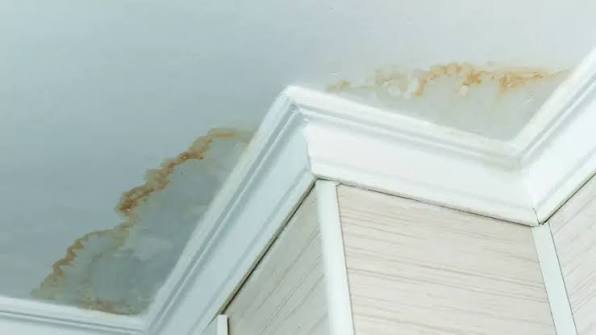

Water damage is one of the most common problems affecting residential and commercial properties. It can occur suddenly because of burst pipes, leaking appliances, heavy rainfall, flooding, or plumbing failures. Even a small leak can cause significant damage if it remains unnoticed for an extended period.
Water damage refers to the destruction or deterioration of building materials, furniture, personal belongings, and structural components caused by unwanted water exposure. Depending on the source and severity, water damage can affect walls, ceilings, floors, insulation, electrical systems, and indoor air quality.
Understanding the causes of water damage, recognizing early warning signs, and taking appropriate action can help property owners reduce repair costs and protect their buildings. Professional Water damage Mesa AZ restoration services can also help remove moisture, repair affected areas, and prevent secondary problems such as mold growth.
Common Causes of Water Damage
Water damage can originate from many sources. Identifying the cause is an important first step toward effective cleanup and long-term prevention.
1. Burst or Leaking Pipes
Plumbing problems are a frequent cause of water damage in homes and commercial buildings. Pipes can leak because of corrosion, damaged connections, excessive pressure, physical impact, or aging materials.
A burst pipe may release a large volume of water in a short period, damaging walls, ceilings, floors, and furniture.
Small leaks can be equally troublesome because they may remain hidden inside walls or under cabinets. Signs include unexplained dampness, water stains, peeling paint, and an unexpected increase in water bills.
Regular plumbing inspections and prompt repairs can help prevent extensive damage.
2. Roof Leaks
A damaged roof can allow rainwater to enter a building through missing shingles, cracked flashing, deteriorated seals, or damaged roofing materials.
Roof leaks often appear as ceiling stains, peeling paint, damp insulation, or dripping water during rainfall. In some cases, water travels along roof structures before becoming visible inside the property.
Inspecting the roof periodically and repairing damaged materials can reduce the risk of water intrusion.
3. Flooding and Heavy Rainfall
Flooding can result from intense rainfall, overflowing rivers, drainage failures, storm surges, or inadequate stormwater management.
Floodwater can enter ground floors, basements, garages, and commercial spaces. It may carry mud, sewage, chemicals, and other contaminants that make cleanup more complicated.
Flood-damaged properties often require professional water extraction, cleaning, drying, and disinfection. Electrical and structural safety should be assessed before occupants return to affected areas.
4. Appliance Leaks
Household appliances such as washing machines, dishwashers, refrigerators, and water heaters can cause water damage when hoses, seals, valves, or internal components fail.
A damaged washing machine hose may release water across a laundry room, while a leaking water heater can damage nearby walls and flooring.
Inspecting appliance connections and replacing worn hoses according to manufacturer recommendations can reduce the likelihood of unexpected leaks.
5. Clogged Drains and Sewer Backups
Blocked drains can cause water to overflow into kitchens, bathrooms, utility rooms, and other areas. Sewer backups are particularly concerning because the water may contain harmful microorganisms and other contaminants.
Avoid direct contact with sewage-contaminated water. Professional cleanup is generally necessary to remove contaminated materials and restore affected areas safely.
6. HVAC and Air Conditioning Problems
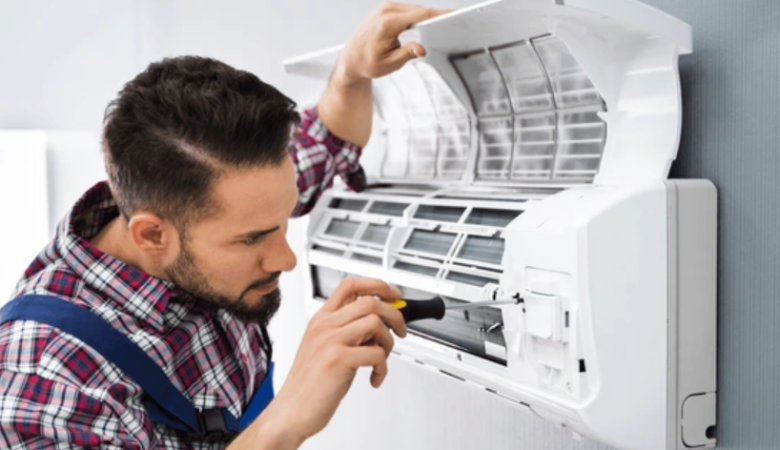
Air conditioning systems remove moisture from the air and produce condensation during operation. Blocked drain lines, damaged condensate pans, or improperly installed components can allow water to accumulate.
Over time, this moisture may damage ceilings, walls, flooring, and nearby furnishings. Regular HVAC maintenance can help identify drainage problems before they become serious.
Warning Signs of Water Damage
Recognizing the early signs of water damage can help property owners respond before the problem spreads.
Common warning signs include:
- Brown, yellow, or dark stains on ceilings and walls.
- Peeling paint, bubbling wallpaper, or damaged plaster.
- Warped wooden floors or swollen cabinets.
- Damp carpets, wet insulation, or soft building materials.
- Musty odors that persist despite cleaning.
- Visible mold or mildew growth.
- Unexplained increases in water consumption.
- Water pooling near appliances, pipes, or exterior walls.
- Cracks or deterioration that appear alongside persistent moisture.
Not all water damage is immediately visible. Water can accumulate behind drywall, under flooring, or inside ceiling cavities.
If moisture is suspected but the source cannot be identified, a professional inspection may help locate hidden water using moisture meters, thermal imaging, or other diagnostic tools.
What to Do Immediately After Water Damage
Taking the right steps after discovering water damage can reduce further deterioration and help protect occupants.
Step 1: Prioritize Safety
Before entering a flooded area, consider electrical hazards, unstable structures, contaminated water, and other immediate risks.
Do not touch electrical equipment or switches while standing in water or when the area may be electrically unsafe. If it is safe to do so, arrange for the electricity to be isolated by a qualified person. If you suspect an electrical hazard, keep away and contact the appropriate emergency service or electrician.
Avoid entering areas with sagging ceilings, unstable floors, or other signs of structural damage.
Step 2: Stop the Water Source
If it is safe and practical, shut off the affected water supply. For a plumbing leak, this may involve closing a local valve or the property’s main water supply.
If the damage results from roof leaks or external flooding, avoid taking unnecessary risks to access the source. Contact an appropriate professional when the problem cannot be controlled safely.
Step 3: Document the Damage
Take photographs and videos of the affected areas before removing damaged items, where it is safe to do so. Record visible damage to furniture, appliances, flooring, walls, and personal belongings.
If you have property insurance, documentation may help support a claim. Contact your insurer promptly and follow its instructions regarding inspection, cleanup, and evidence preservation.
Step 4: Remove Standing Water Safely
Small amounts of clean water may sometimes be removed using suitable household equipment, provided there are no electrical or contamination hazards.
Extensive flooding, sewage backups, and water from unknown sources require greater caution and often professional assistance. Never operate electrical pumps or wet-dry vacuums in unsafe conditions.
Step 5: Begin Drying the Affected Area
Once the area is safe and the water source has been controlled, drying should begin as soon as practical.
Professionals may use commercial air movers, dehumidifiers, moisture meters, and other equipment to remove moisture from building materials.
Opening windows is not always sufficient, particularly in humid weather. In some environments, outdoor air may introduce additional moisture. Appropriate ventilation and dehumidification should be selected according to the conditions.
Understanding the Water Damage Restoration Process
Water damage restoration is a structured process designed to remove water, dry affected materials, address contamination, and return a property to a safe and usable condition.
1. Inspection and Damage Assessment
Restoration professionals assess the water source, affected materials, extent of moisture, and potential safety concerns.
They may use moisture meters, thermal imaging, and other tools to identify wet areas that cannot be seen with the naked eye.
2. Water Extraction
Standing water is removed using appropriate pumps, extractors, and other equipment.
Rapid extraction can help limit the amount of water absorbed by flooring, walls, furniture, and other materials.
3. Drying and Dehumidification
After extraction, drying equipment helps remove moisture from the air and affected materials.
The required drying time varies according to the amount of water, building materials, humidity, airflow, and temperature. Technicians may monitor moisture levels throughout the process to confirm that drying is progressing properly.
4. Cleaning and Sanitization
Surfaces and belongings are cleaned using methods appropriate to the type of water involved.
Clean-water leaks, contaminated floodwater, and sewage backups require different handling procedures. Porous materials exposed to heavily contaminated water may need to be removed rather than cleaned.
5. Mold Prevention and Remediation
Damp materials can support mold growth when moisture remains for an extended period. Drying affected areas promptly is one of the most important preventive measures.
If mold is already present, the source of moisture must be corrected and the affected materials handled appropriately. Extensive contamination or mold affecting HVAC systems may require specialized remediation.
Simply painting over mold or covering a damp surface does not resolve the underlying problem.
6. Repairs and Reconstruction
Once the property has been adequately dried and assessed, damaged materials can be repaired or replaced.
Depending on the severity, restoration may involve replacing drywall, insulation, flooring, cabinets, trim, or other building components. Painting and finishing work should take place only after the affected areas are sufficiently dry and suitable for reconstruction.
How Much Does Water Damage Restoration Cost?
The cost of water damage restoration depends on the amount of water, the source of the problem, the size of the affected area, and the extent of repairs required.
A small plumbing leak may require limited drying and minor repairs. Extensive flooding may involve water extraction, specialized drying equipment, disposal of contaminated materials, mold remediation, and reconstruction.
Additional factors include:
- The type of water and its contamination level.
- The duration of moisture exposure.
- The building materials affected.
- Accessibility of the damaged area.
- The amount of furniture and belongings requiring treatment.
- Local labor rates and material prices.
- Whether structural or electrical repairs are necessary.
For an accurate estimate, request an inspection and a written breakdown of the proposed work. Ask whether the estimate includes moisture monitoring, material removal, cleaning, repairs, and any necessary follow-up services.
If you have insurance, coverage depends on your policy, the cause of the damage, exclusions, and other applicable terms. Flood damage and gradual leakage may be treated differently under some policies, so confirm the details directly with your insurer.
How to Prevent Water Damage in Your Property
Preventive maintenance can reduce the risk of leaks and help identify developing problems before they cause major damage.
Inspect Plumbing Systems
Check accessible pipes, faucets, valves, and appliance hoses for signs of leakage or corrosion. Repair damaged connections promptly and consider professional inspections for older plumbing systems.
Maintain the Roof and Gutters
Inspect roofing materials, flashing, gutters, and downspouts periodically. Keep drainage pathways clear and direct rainwater away from the building where possible.
Monitor Water-Using Appliances
Inspect washing machine hoses, dishwasher connections, water heaters, and other appliances regularly. Replace worn components according to manufacturer guidance.
Water-leak detectors and automatic shutoff devices can provide additional protection in areas vulnerable to leaks.
Improve Drainage Around the Property
Ensure that exterior drainage systems can carry water away from the building. Address persistent standing water, blocked drains, and areas where rainwater collects near foundations.
Control Indoor Humidity
Use suitable ventilation in bathrooms, kitchens, and laundry areas. Address condensation and repair moisture-producing problems promptly.
In humid environments, a properly sized dehumidifier may help maintain more appropriate indoor humidity levels.
Inspect Vulnerable Areas Regularly
Check basements, under-sink cabinets, utility rooms, ceilings, and areas around windows for moisture or staining.
Early detection can prevent small problems from becoming expensive restoration projects.
Why Hire a Professional Water Damage Restoration Company?
Professional restoration services can be particularly valuable when water affects large areas, enters hidden building cavities, contains contaminants, or damages structural materials.
Experienced restoration technicians can identify moisture that may otherwise go unnoticed, select appropriate extraction and drying equipment, and determine which materials can be restored safely.
Professional services may also help coordinate cleaning, mold remediation, and reconstruction. When selecting a provider, ask about training, insurance, equipment, written estimates, documentation, and experience with similar projects.
Be cautious of companies that promise complete restoration without inspecting the damage or explaining their proposed process.
For sewage backups, major flooding, suspected structural damage, and water-related electrical hazards, appropriate professional assistance is especially important.
Frequently Asked Questions About Water Damage
How quickly should water damage be addressed?
Water damage should be addressed as soon as it is safe to do so. Promptly stopping the source, removing standing water, and drying affected materials can reduce the risk of deterioration and mold growth.
How long does water damage restoration take?
Minor incidents may be resolved within a few days, while severe flooding can require weeks or longer if extensive repairs are necessary. Drying time depends on the materials, moisture levels, environmental conditions, and severity of the damage.
Can water-damaged materials be saved?
Some materials, such as certain solid wood items or nonporous surfaces, may be salvageable with appropriate cleaning and drying. Other materials, including contaminated insulation or severely damaged drywall, may require replacement. The decision depends on the material, exposure duration, and water quality.
Does water damage always cause mold?
No. Mold does not develop in every water-damaged area, but persistent moisture creates conditions that support its growth. Prompt drying, moisture control, and appropriate cleanup help reduce the risk.
Will homeowners insurance cover water damage?
Coverage varies by policy and cause. Some sudden and accidental plumbing leaks may be covered, while floodwater, gradual leaks, maintenance problems, or other causes may be excluded or require separate coverage. Review your policy and contact your insurer for guidance.
Is water damage dangerous?
It can be. Risks include electrical hazards, structural weakening, contaminated water, and mold growth. Avoid unsafe areas and seek qualified assistance when the source or severity of the damage creates uncertainty.
Can I clean up water damage myself?
Minor incidents involving a small amount of clean water may be manageable if the area is safe and materials can be dried thoroughly. Extensive flooding, sewage contamination, hidden moisture, and structural or electrical hazards should be handled by qualified professionals.
Conclusion
Water damage can affect nearly every part of a property, from flooring and furniture to walls, ceilings, and structural materials. Common causes include leaking pipes, roof problems, appliance failures, clogged drains, and flooding.
Recognizing warning signs early, controlling the water source, documenting the damage, and starting safe drying procedures can help reduce the impact. When damage is extensive or involves contaminated water, professional water damage restoration can provide the specialized equipment and expertise needed to recover the property safely.
Regular maintenance, effective drainage, plumbing inspections, and prompt attention to leaks are practical ways to protect your home or business. By combining prevention with a timely response, property owners can reduce repair expenses, limit secondary damage, and maintain a healthier indoor environment.