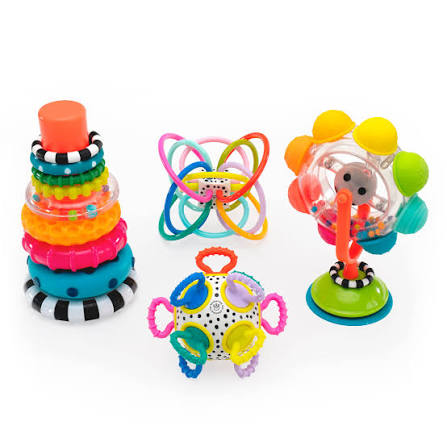

Toys are products designed for play, entertainment, exploration, and learning. Suitable toys can encourage creativity, problem-solving, physical coordination, language development, and social interaction when they match a child’s age, abilities, and interests. If you are searching for lego store Pittsburg visit The Brick Pitt.
What Types of Toys Are Available?
Toys come in many forms, each supporting different types of play.
Building blocks and construction sets encourage spatial reasoning and creative problem-solving. Puzzles help children practice observation and persistence. Art supplies support imagination and self-expression.
Outdoor toys, balls, and ride-on products can encourage physical activity. Pretend-play toys, such as play kitchens and dolls, may help children explore social situations and develop storytelling skills.
Books, musical toys, and simple educational games can introduce new concepts through enjoyable activities.
How Do You Choose Age-Appropriate Toys?
Consider the child’s developmental stage, interests, coordination, and ability to follow instructions.
Age labels provide useful guidance, but individual abilities vary. A toy that is suitable for one child may be difficult or unsafe for another.
For infants and toddlers, avoid products with accessible small parts, dangerous cords, sharp edges, or components that could create choking hazards. Check applicable safety standards and manufacturer warnings.
For older children, consider whether the toy provides an appropriate level of challenge without unnecessary frustration.
Why Is Toy Safety Important?
Toy safety helps reduce the risk of choking, cuts, entanglement, burns, and other injuries.
Inspect toys for damaged components, loose parts, exposed batteries, and sharp edges. Follow cleaning and maintenance instructions, and remove broken toys from use.
Battery compartments should be secured according to manufacturer instructions. Button batteries and powerful magnets can cause serious injuries if swallowed, so products containing them require particular care.
Caregivers should supervise children when appropriate, especially during water play, outdoor activities, and play involving small components.
Can Toys Support Learning?
Toys can provide opportunities to practice skills through exploration. Matching games support recognition, building toys encourage experimentation, and pretend play can help children develop language and social understanding.
However, expensive electronic toys are not essential for meaningful play. Everyday objects that are safe for the child’s age, along with books, conversation, and imaginative activities, can also support development.
Frequently Asked Questions
What makes a toy educational?
An educational toy encourages skills such as counting, language, coordination, creativity, or problem-solving through active engagement.
How often should toys be cleaned?
Cleaning frequency depends on use, age, illness exposure, and material. Follow the manufacturer’s instructions and clean toys regularly.
Are electronic toys better than traditional toys?
Not necessarily. Both can offer benefits, but open-ended toys often provide opportunities for imaginative play without relying on screens or complex features.