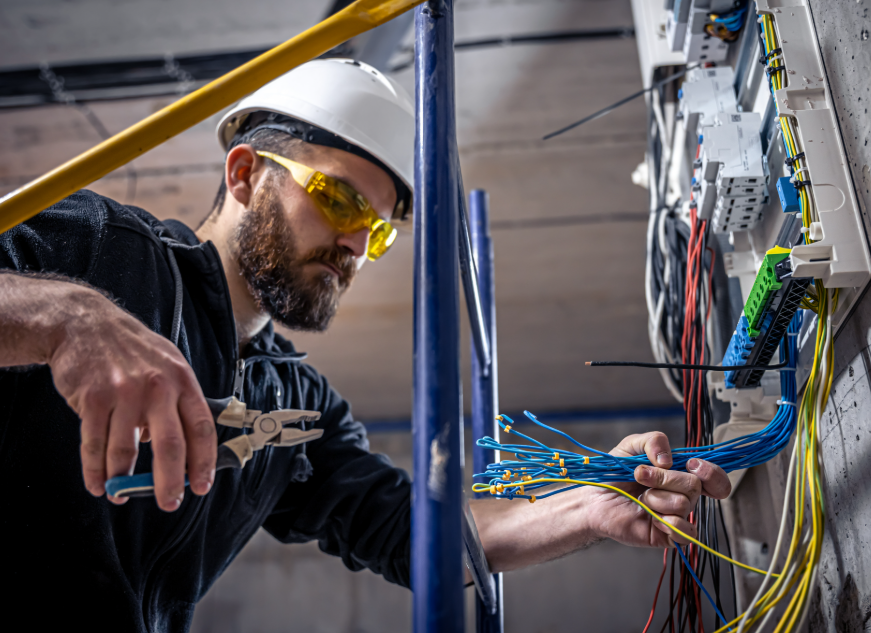

Electricity plays a major role in our daily lives. From lighting our homes to powering industries, almost everything depends on electrical systems. Behind these systems are skilled electricians who ensure that electrical equipment and wiring work safely and efficiently. Electricians are highly trained professionals responsible for installing, repairing, and maintaining electrical systems in homes, offices, factories, and commercial buildings. Their work is essential for modern society because without electricians, daily life would become difficult and dangerous.
What Does an Electrician Do?
An electrician is a professional who works with electrical wiring, circuits, machines, and equipment. Their responsibilities include installing new electrical systems, repairing damaged wiring, inspecting electrical components, and ensuring that all systems follow safety regulations. Electricians also troubleshoot electrical problems and provide solutions to prevent accidents such as fires or electric shocks.
There are different types of electricians. Residential electricians work in homes and apartments, while commercial electricians handle offices, shopping malls, and business buildings. Industrial electricians work in factories and manufacturing plants where heavy machinery is used. Each type requires specialized knowledge and skills. Kenco Electric is an electrician Winston Salem.
Skills Required to Become an Electrician
Becoming an electrician requires both technical and practical skills. An electrician must understand electrical diagrams, circuits, and safety standards. Good problem-solving abilities are important because electrical issues can sometimes be complex.
Physical fitness is also necessary since electricians may need to climb ladders, work in tight spaces, or carry heavy equipment. Communication skills are valuable because electricians often interact with clients, engineers, and construction workers. Attention to detail is extremely important because even a small mistake in wiring can lead to serious accidents.
Education and Training
Most electricians receive formal education through technical schools or vocational training centers. They learn about electrical theory, safety procedures, and practical installation methods. After completing basic education, many electricians join apprenticeship programs where they gain hands-on experience under experienced professionals.
Training usually includes learning how to read blueprints, install electrical systems, test circuits, and follow national electrical codes. In many countries, electricians must pass licensing exams before they can work independently. Continuous learning is also necessary because technology and electrical systems continue to evolve.
Importance of Safety in Electrical Work
Safety is one of the most critical aspects of electrical work. Electricity can be extremely dangerous if not handled correctly. Electricians must follow strict safety guidelines to protect themselves and others. They wear protective equipment such as insulated gloves, helmets, and safety shoes while working.
Before starting any repair or installation, electricians ensure that the power supply is turned off. They use special tools designed for electrical work and carefully inspect systems for faults. Proper grounding and circuit protection are essential to prevent electrical fires and shocks. By following safety standards, electricians help create safer homes and workplaces.
The Role of Electricians in Construction
Electricians play a major role in construction projects. During the construction of houses, offices, and factories, electricians install wiring systems, lighting fixtures, switches, and electrical panels. They work closely with architects and engineers to ensure that electrical systems meet the building’s requirements.
Modern buildings often include advanced technologies such as smart lighting, security systems, and energy-efficient equipment. Electricians are responsible for installing and maintaining these technologies. Without their expertise, modern infrastructure would not function properly.
Career Opportunities for Electricians
The demand for electricians continues to grow because electricity is essential in every industry. Electricians can work in construction companies, factories, maintenance departments, or government organizations. Some electricians become self-employed and start their own businesses.
This profession offers good income opportunities and job stability. Skilled electricians are valued worldwide because their services are always needed. As renewable energy systems such as solar panels and electric vehicles become more popular, electricians will have even more career opportunities in the future.
Challenges Faced by Electricians
Although the profession is rewarding, electricians also face several challenges. They may work in dangerous environments or under difficult weather conditions. Long working hours and emergency repairs can sometimes be stressful. Electrical work requires constant concentration and precision.
Technology is also changing rapidly, which means electricians must continuously update their skills. Learning about new systems, tools, and safety standards is necessary to remain competitive in the field.
Conclusion
Electricians are essential professionals who help power the modern world. Their skills ensure that homes, businesses, and industries operate safely and efficiently. From installing wiring systems to repairing electrical faults, electricians perform tasks that directly affect our daily lives. Despite the challenges of the profession, electricians enjoy stable careers and opportunities for growth. As technology continues to advance, the role of electricians will become even more important in shaping the future of society.